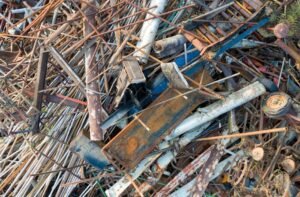

Scrap metal collection Brisbane is a vital component of Australia’s circular economy, particularly in Queensland where industrial activity and construction projects generate significant metal waste. Understanding the grades of scrap metal, the recycling process, and the environmental benefits of responsible disposal empowers businesses and individuals to participate in sustainable practices. This guide explores everything from the classification of scrap metals to the logistical advantages of scrap metal collection services in South East Queensland.
Overview of Scrap Metal Collection in Brisbane
Scrap metal collection in Brisbane is a highly organized industry serving residential, commercial, and industrial clients across Queensland. With the Gold Coast and Sunshine Coast experiencing rapid development, demand for efficient scrap metal removal has surged. Professional services like Scrap Trade provide end-to-end solutions, from pickup to processing, ensuring compliance with environmental regulations and maximizing the value of recyclable materials.
Key factors driving the growth of scrap metal collection in Brisbane include:
- Urbanization: Expansion of infrastructure projects in South East Queensland generates large volumes of construction and demolition waste.
- Regulatory Compliance: Queensland’s strict environmental laws mandate proper disposal of hazardous and non-hazardous metals.
- Economic Incentives: Recycling metals reduces production costs for manufacturers, creating a robust market for scrap.
Grades of Scrap Metal Commonly Collected in Brisbane
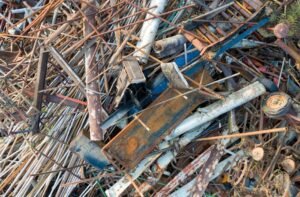
Scrap metals are categorized into ferrous and non-ferrous types based on their composition and magnetic properties. Understanding these grades is critical for accurate valuation and sorting:
Ferrous Metals
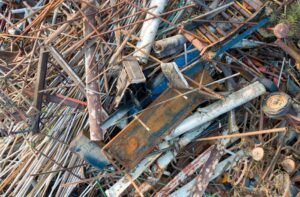
Ferrous metals contain iron and are magnetic. Common types collected in Brisbane include:
- Steel: Used in construction, automotive, and manufacturing. Grades like carbon steel and stainless steel vary in value.
- Cast Iron: Found in machinery parts and plumbing fixtures. Often recycled into new iron products.
- Rebar: Reinforcing bars from demolition sites are a major source of ferrous scrap in Queensland.
Non-Ferrous Metals
Non-ferrous metals lack iron and include:
- Copper: High-value scrap from wiring, plumbing, and industrial components. Brisbane’s electronics industry generates significant copper waste.
- Aluminium: Common in packaging, automotive parts, and construction. Recycling aluminium saves 95% of the energy required to produce new material.
- Brass and Bronze: Used in fittings, valves, and decorative items. These metals retain high market value due to their conductivity and durability.
Pro Tip: Businesses in the Gold Coast and Sunshine Coast can maximize returns by separating ferrous and non-ferrous metals before contacting a scrap metal pickup Brisbane provider.
How the Scrap Metal Recycling Process Works in Queensland
The scrap metal recycling process in Queensland involves several stages to ensure materials are repurposed efficiently:
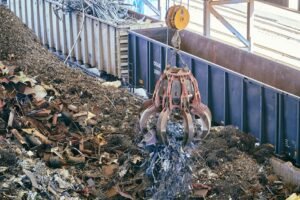
- Collection: Scrap is gathered from residential, commercial, and industrial sites. B2B scrap metal collection services handle large-scale pickups for construction and manufacturing clients.
- Sorting: Metals are separated by type and grade using magnets, X-ray fluorescence (XRF) scanners, and manual inspection.
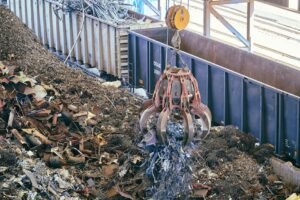
- Processing: Scrap is shredded, baled, or melted depending on its intended reuse. Facilities in Brisbane often use electric arc furnaces for steel recycling.
- Refining and Repurposing: Purified metals are sold to manufacturers for producing new products, reducing the need for raw material extraction.
Queensland’s proximity to major ports facilitates the export of processed scrap metals, supporting global recycling efforts. For example, aluminium scrap from the Sunshine Coast is often shipped to Asia for remanufacturing.
Environmental Benefits of Scrap Metal Recycling in the Gold Coast and Sunshine Coast
Recycling scrap metal in South East Queensland offers significant environmental advantages:
- Reduces Landfill Waste: Recycling diverts up to 70% of construction and demolition waste from landfills in Brisbane and the Gold Coast.
- Conserves Natural Resources: Recycling one ton of steel saves 2,500 pounds of iron ore and 1.5 tons of coal. This is critical in Queensland, where mining activities can impact ecosystems.
- Lowers Carbon Emissions: Producing steel from recycled scrap generates 60% fewer greenhouse gases than using virgin materials.
- Saves Energy: Recycling aluminium uses 95% less energy than primary production, a key benefit for energy-intensive industries in the Sunshine Coast.
Case Study: A Brisbane-based construction firm reduced its carbon footprint by 40% through a partnership with a scrap metal recycling near me provider, achieving both cost savings and sustainability goals.
Practical Tips for Efficient Scrap Metal Collection in Brisbane
Maximize the efficiency and profitability of your scrap metal collection in Brisbane with these strategies:
- Segregate Materials: Separate ferrous and non-ferrous metals to increase their value. Use designated bins for different grades.
- Track Market Prices: Scrap metal prices fluctuate based on global demand. Monitor trends to sell at optimal times.
- Choose Licensed Providers: Verify that your Sell Scrap Metal Near Me In 2026 service has all necessary licenses, including waste handling and environmental certifications.
- Plan for Large Volumes: For bulk scrap, schedule regular pickups with B2B scrap metal collection services to avoid storage issues.
Local Insight: Brisbane’s Scrap Trade platform offers real-time pricing updates and instant quotes, simplifying the process for businesses in the Gold Coast and Sunshine Coast.
Choosing the Right Scrap Metal Collection Service in South East Queensland
With numerous providers operating in Brisbane and surrounding areas, selecting the best service requires careful evaluation:
- Reputation: Look for companies with positive reviews and a proven track record in South East Queensland.
- Logistical Capabilities: Ensure the provider offers flexible scheduling and can handle both small and large volumes.
- Transparency: Choose services that provide clear pricing and detailed reports on scrap grades and weights.
- Sustainability Certifications: Prioritize providers with ISO 14001 certification or other environmental accreditations.
Expert Recommendation: For seamless scrap metal pickup Brisbane services, compare quotes from multiple providers to find the best balance of cost and reliability.
The Economic Impact of Scrap Metal Recycling in QLD
Scrap metal recycling is a cornerstone of Queensland’s economy, contributing to job creation and industrial growth:
- Employment: The industry supports thousands of jobs in Brisbane, from collection and sorting to processing and export.
- Revenue Generation: Queensland’s scrap metal exports earned over $2 billion in 2023, highlighting its global competitiveness.
- Support for Manufacturing: Recycled metals supply local industries, reducing reliance on imported raw materials.
Future Outlook: With the Queensland government promoting green initiatives, the scrap metal sector is poised for growth. By 2026, the state aims to achieve a 70% recycling rate for construction waste, further boosting the role of Scrap Trade Australia in regional sustainability efforts.
The Future of Scrap Metal Collection in Brisbane and Queensland
Advancements in technology and policy are shaping the future of scrap metal collection in Brisbane:
- AI and Automation: Smart sorting systems using AI improve efficiency in grade separation, reducing manual labor costs.
- Government Incentives: Queensland offers tax breaks for businesses that adopt circular economy practices, encouraging scrap metal recycling.
- Community Engagement: Initiatives like Brisbane’s “Recycle Right” campaign educate residents on proper scrap disposal, increasing participation rates.
As demand for sustainable practices grows, the scrap metal industry in South East Queensland will play a pivotal role in achieving Australia’s climate goals. By partnering with innovative services like Scrap Trade, stakeholders can contribute to a greener future while reaping economic benefits.
Conclusion
Scrap metal collection Brisbane is not just a service—it’s a gateway to sustainability and economic opportunity. By understanding the grades of scrap, the recycling process, and the environmental impact of responsible disposal, individuals and businesses can make informed decisions that benefit both the planet and their bottom line. Whether you’re in the heart of Brisbane or the expanding suburbs of the Gold Coast and Sunshine Coast, leveraging professional scrap metal collection services ensures your contribution to Queensland’s green economy is both efficient and effective.
Related: Sell Scrap Metal Near Me In 2026
Related: Scrap Metal Recycling Near Me
Related: scrap metal pickup brisbane
Related: b2b scrap metal collection
Frequently Asked Questions
What grades of scrap metal are collected in Brisbane?
Brisbane scrap metal collection services handle both ferrous (iron-based) and non-ferrous metals. Common grades include steel, copper, aluminium, brass, and cast iron. Non-ferrous metals like copper and aluminium are highly valued for their conductivity and energy-saving recycling benefits.
How does the scrap metal recycling process work in Queensland?
The process involves collection, sorting, processing, and repurposing. Metals are sorted using magnets and XRF scanners, then shredded or melted in facilities across Queensland. Recycled materials are sold to manufacturers, reducing the need for raw material extraction and lowering carbon emissions.
What are the environmental benefits of recycling scrap metal in the Gold Coast and Sunshine Coast?
Recycling scrap metal in these regions reduces landfill waste, conserves natural resources, and lowers carbon emissions. For example, recycling aluminium saves 95% of the energy required to produce new material, while steel recycling reduces greenhouse gas emissions by 60%.
How can I choose a reliable scrap metal collection service in South East Queensland?
Look for licensed providers with positive reviews, transparent pricing, and logistical capabilities to handle your volume. Services like B2B scrap metal collection are ideal for businesses, while residential clients can use platforms like scrap metal recycling near me for quick pickups.